The Lasting Legacy of Traditional Jamaican Food
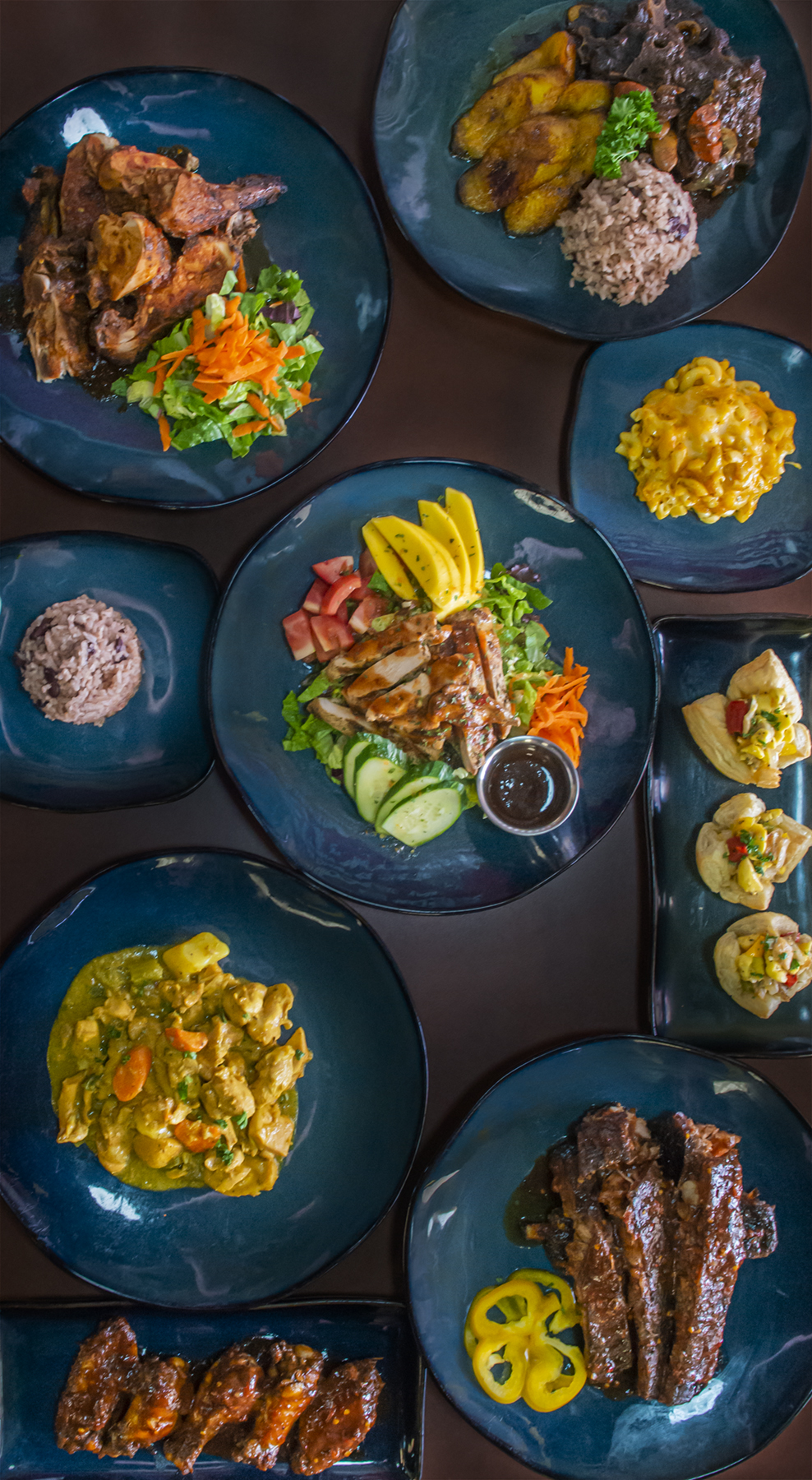
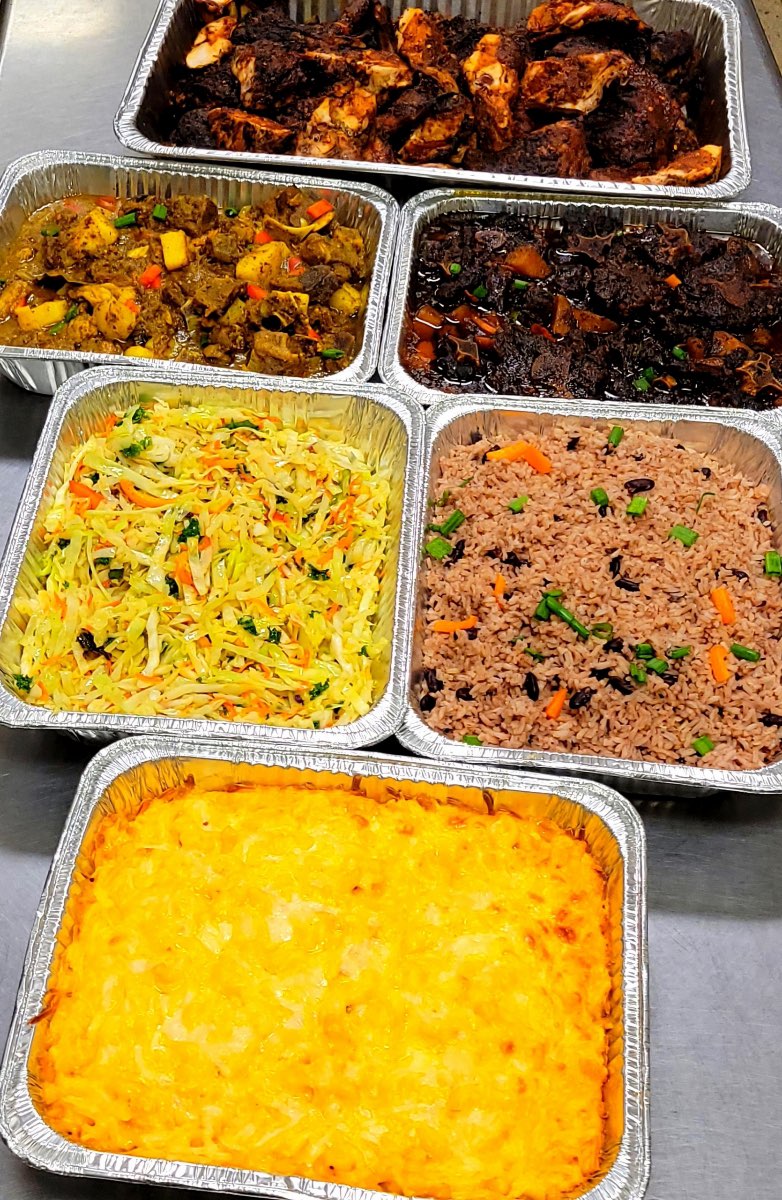
Traditional Jamaican food carries memory in a way few cuisines do. A plate of ackee and saltfish, a pot of simmering red peas soup, or the smoky scent of jerk rising from pimento wood does more than satisfy hunger. It tells a story about survival, adaptation, land, trade, labor, migration, and celebration. Jamaican cooking has always been bigger than recipes. It lives in market habits, family routines, Sunday rituals, roadside stalls, and the instincts of cooks who measure by sight, touch, and smell rather than spoons.
That is part of what gives jamaican food its staying power. It is not preserved as a museum piece. It keeps moving. It absorbs influence, responds to scarcity, and still holds on to a distinct identity that people recognize instantly. You can taste it in the bright heat of Scotch bonnet pepper, the sweetness of ripe plantain, the depth of allspice, the earthiness of yam, and the unmistakable savor of a dish that has been cooked low and slow with patience.
For anyone who has spent time around Jamaican kitchens, the legacy feels practical rather than abstract. It is there in the way a grandmother insists that rice and peas need coconut milk for body and fragrance. It is there in the careful cleaning of callaloo, the pounding of green seasoning, the long soak of saltfish, and the argument over whose curry goat is better. These details matter because they carry standards. They teach what proper flavor means, what thrift looks like, and how a community defines comfort.
A cuisine built from many histories
Jamaican food did not emerge from a single source. It developed from centuries of encounter, often under harsh conditions. Indigenous Taíno foodways shaped early use of cassava, pepper, and methods of preserving and cooking local ingredients. African culinary knowledge, brought through the violence of enslavement, transformed the island’s food culture at its core. Later influences from Spanish, British, Indian, Chinese, and Middle Eastern communities added ingredients, techniques, and dishes that became fully Jamaican over time.
That mix can sound neat on paper, but in the kitchen it is more textured than a simple fusion story. Food traditions do not blend evenly. Some survive because they are practical, some because they are beloved, and some because they fit local ingredients better than the versions from their place of origin. Curry is a good example. The Indian presence in Jamaica helped cement curry into the national repertoire, but Jamaican curry developed its own signature. It tends to be brighter with allspice, https://riverjqpj885.fairmontdigest.com/posts/the-joy-of-sharing-jamaican-food-with-family thyme, scallion, garlic, and Scotch bonnet, and it often delivers a warmer, fuller spice profile than many people expect.
The same is true of cooking methods. Jerk is often reduced outside Jamaica to a flavor label, something sold as a bottled marinade or a rub. In reality, it carries a deeper lineage. The technique of seasoning meat heavily, then slow-cooking it over green wood and pimento smoke, is tied to Maroon history and hard-earned knowledge of preservation, concealment, and flavor. The result is not just spicy meat. It is a culinary expression of resistance and ingenuity.
Ingredients that define the table
Traditional Jamaican cooking depends on a recognizable set of ingredients, but what matters most is how they are handled. The island’s food is often described as bold, and that is true, but bold does not mean careless. Good Jamaican cooking balances intensity with depth.
Scallion, thyme, onion, garlic, ginger, allspice, and Scotch bonnet form the backbone of many savory dishes. Coconut milk softens and enriches. Salt cod brings a concentrated brininess that fresh fish does not. Root vegetables such as yam, coco, and sweet potato provide weight and nourishment. Green banana appears in soups and boiled provisions. Breadfruit, whether roasted or fried, offers a starchy, toasty counterpoint to saucy meats and fish.
One of the most misunderstood ingredients in jamaican food is ackee. People unfamiliar with it often approach it as an exotic curiosity, but in Jamaica it is ordinary in the best possible sense. It is a breakfast staple, a comfort food, and a marker of home. Properly prepared ackee has a delicate, buttery texture that works beautifully with saltfish, tomato, onion, and pepper. It does not shout. It carries flavor with quiet confidence.
Seasoning also reveals the intelligence of the cuisine. Jamaican cooks layer flavor at multiple stages rather than relying on a single final adjustment. Meat is often washed, rubbed, marinated, browned, then simmered. Soups are built from provisions, herbs, dumplings, meat, and time. The final dish tastes complete because each stage contributes structure.
The discipline behind the comfort
People often talk about Jamaican food as hearty, soulful, or generous, and those words are fair. Still, they can obscure the discipline involved. Traditional dishes demand skill, especially when ingredients are humble or cooking conditions are limited.
Take brown stew chicken. At first glance, it seems straightforward. Yet the difference between a forgettable version and an excellent one comes down to judgment. The chicken must be well seasoned but not oversalted. Browning should deepen flavor without turning bitter. The sauce needs enough sweetness from tomato and onion to round the savor, enough acidity to lift the palate, and enough cooking time for the meat to soften without falling apart. A cook learns these balances over years, often by watching elders and making small corrections meal after meal.
Soup offers another example. Saturday soup in many Jamaican households is not casual. It is an event. Red peas soup, chicken foot soup, mannish water, pumpkin soup, and fish tea all require patience and sequencing. The provisions cannot go in all at once. Dumplings need the right consistency. Meat has to tenderize. Herbs should perfume the broth without muddying it. The best soups arrive at the table thick with substance but still lively, never stodgy.
That care is part of the legacy. Traditional Jamaican food teaches that comfort does not come from shortcuts. It comes from attention.
The market, the yard, and the roadside
To understand the staying power of Jamaican cooking, it helps to think beyond the plate. Food culture is shaped by where ingredients are bought, how they are shared, and who prepares them. In Jamaica, public and domestic spaces both matter.
Markets remain central. They are places of transaction, but also places of discernment. You learn the difference between a good yam and a watery one, how to spot callaloo that will cook sweet, which mangoes are best for eating out of hand, and when breadfruit is at the ideal stage for roasting. Sellers remember regulars. Buyers compare prices and quality. Food knowledge travels in conversation.
The home yard matters just as much. Even modest outdoor space can support a few essentials, scallion, thyme, peppers, maybe a fruit tree if the land allows. That proximity changes cooking. Herbs are picked fresh. Seasonal abundance shapes the menu. Children grow up seeing ingredients before they become dishes, which builds a kind of literacy that recipe books alone cannot teach.
Then there is the roadside, one of the great classrooms of jamaican food. Pan chicken stands, jerk pits, soup vendors, roast corn sellers, and small cookshops preserve standards through repetition and competition. A vendor cannot survive long on nostalgia alone. The food has to be right, day after day. The pepper sauce must have bite. The jerk must carry smoke. The festival needs proper color and texture, crisp outside, tender inside.
Dishes that carry cultural weight
Some foods become shorthand for a nation, and in Jamaica a few dishes hold that role clearly. Ackee and saltfish is the best known, but it is far from alone. Jerk chicken and jerk pork, curry goat, escovitch fish, oxtail, rice and peas, bammy, fried plantain, steamed cabbage, and patties all sit within the popular imagination. Each one reflects a different facet of Jamaican life.
A short list of dishes that continue to define traditional Jamaican cooking includes:
- Ackee and saltfish, prized for its balance of richness, salt, and gentle heat.
- Jerk pork or chicken, which links flavor directly to Maroon heritage and open-fire technique.
- Rice and peas, a Sunday anchor that often matters as much as the main dish beside it.
- Curry goat, especially for celebrations, where long marination and slow cooking are non-negotiable.
- Escovitch fish, with its sharp, pickled vegetables that cut through fried richness.
What keeps these dishes alive is not only that people love them, though they do. It is that they still mark occasions. Weddings, funerals, church gatherings, birthdays, beach limes, Christmas dinners, and casual Sunday meals all have their expected foods. Those expectations create continuity. A Jamaican family in Kingston, Montego Bay, London, Toronto, or New York may adapt to local ingredient availability, but the menu for a major gathering often remains recognizably tied to home.
Migration and the widening reach of Jamaican food
The legacy of traditional Jamaican food would look very different without migration. Jamaicans have carried their cuisine across the Caribbean, to the United Kingdom, Canada, the United States, and beyond. In many cities, Jamaican restaurants did more than feed a diaspora. They educated local diners, introduced ingredients to new markets, and established jamaican food as a serious culinary category rather than a niche curiosity.
Diaspora cooking, however, always involves trade-offs. Climate changes what grows easily. Import costs affect price and quality. Some fish varieties are harder to source. Scotch bonnet peppers can be inconsistent outside the Caribbean, and substitutes rarely behave exactly the same. Pimento wood is difficult to replicate, so a jerk pit abroad often has to improvise with available hardwoods and smoking methods.
Even so, adaptation does not equal decline. Some of the best Jamaican cooks abroad become experts in substitution without sacrificing identity. They know when frozen callaloo is acceptable and when only fresh will do. They may adjust seasoning to suit their customer base, but they usually preserve the architecture of the dish. A good cook can tell the difference between evolution and dilution.
The diaspora has also expanded the audience for traditional foods that once seemed too specific for broad appeal. Saltfish fritters, sorrel drink, bun and cheese, pepper shrimp, and even less internationally famous soups and porridges now attract loyal followings. What used to travel as memory now circulates as culture, business, and pride.
Why technique matters more than trend
One reason traditional Jamaican food has endured is that it is grounded in methods, not fashion. Trends come and go. Bowl concepts, deconstructed classics, and social media novelty generate attention, then fade. Jamaican cooking stays relevant because it solves the oldest culinary problem well: how to create deeply satisfying food from available ingredients.
Marination, smoking, braising, frying, stewing, pickling, and boiling provisions are not glamorous terms, but they are durable. They produce flavor, conserve resources, and reward patience. A cook who understands how to brown sugar for stew, how to season fish for escovitch, or how to coax richness from bones and root vegetables has a foundation that outlasts any food trend.
This matters in professional kitchens too. Chefs who approach Jamaican dishes with respect quickly discover that the cuisine does not tolerate superficial treatment. You cannot simply add jerk spice to a menu and claim authenticity. Smoke level, meat texture, acidity, sweetness, char, and spice balance all matter. If one element is off, experienced diners notice immediately.
That precision is part of the cuisine’s authority. Traditional Jamaican food is generous, but it is not vague.
The role of celebration and ceremony
No discussion of legacy is complete without acknowledging how deeply Jamaican food is tied to ceremony. Christmas, in particular, reveals the emotional reach of the cuisine. The season brings sorrel, black cake, gungo peas, roast meats, rich gravies, and kitchens working at full capacity. Even people who cook simply most of the year often stretch themselves during the holidays, because certain dishes are expected and certain flavors define the moment.
Funerals and nine-night gatherings also show food’s social role. In these settings, cooking is service, comfort, logistics, and respect. Large pots feed people who have traveled, grieved, sung, prayed, and stayed late into the night. The food must be filling, familiar, and steadying. This is where traditional dishes earn their place most clearly. They hold communities together through joy and loss alike.
At smaller scales, the same principle applies. A pot of porridge before school, a Sunday dinner after church, or a late-night plate after a dance all reinforce belonging. Food does not only commemorate the extraordinary. It stabilizes everyday life.
Pressure from convenience, and what still resists it
Modern life places obvious pressure on traditional cooking. Long commutes, smaller households, rising food costs, and the time demands of work all make labor-intensive dishes harder to sustain. Younger cooks may know the taste they want but lack the hours needed to produce it regularly. Packaged seasonings, ready-made sauces, and fast-food versions of classics fill the gap.
Not every convenience product is a problem. Some save time sensibly. Pre-cleaned callaloo, frozen ackee, and quality spice blends can help busy households keep traditional meals in rotation. The issue begins when convenience strips dishes of their character. Jerk without smoke, rice and peas without coconut milk, or soup built entirely from shortcuts may deliver familiarity, but often not depth.
A few habits help preserve integrity even when time is limited:
- Season from the start rather than trying to fix bland food at the end.
- Keep fresh thyme, scallion, garlic, and Scotch bonnet on hand, because they do more than bottled sauces can.
- Use time strategically, marinate overnight, soak peas in advance, and batch-cook soups or stews.
- Save the most labor-intensive dishes for weekends or gatherings instead of abandoning them completely.
Those kinds of compromises feel realistic, and realism is how traditions survive. Very few food cultures stay alive by demanding purity at all times. They survive because people decide what is essential and protect it.
More than flavor, a philosophy of resourcefulness
Traditional Jamaican food also leaves a legacy of resourcefulness that deserves serious respect. Many classic dishes emerged from making the most of what was available, whether by necessity, thrift, or wisdom. Saltfish kept well before refrigeration became common. Tough cuts became tender through long cooking. Provisions filled stomachs and stretched meals. Soups turned small amounts of meat into substantial nourishment for many people.
This resourcefulness should not be romanticized as hardship for its own sake. It is better understood as culinary intelligence shaped under pressure. The brilliance lies in transforming limitation into abundance. That is why so many Jamaican dishes feel complete. They were designed not for show, but for real life.
It also explains why Jamaican food resonates so strongly across income levels and geographic boundaries. A wealthy family and a working family may present dishes differently, but the foundational pleasures are shared. Good seasoning, careful cooking, and respect for ingredients cross those lines.
What the future owes the past
The future of traditional Jamaican food depends less on preservation campaigns than on practice. Children need to see food being made, not only served. Restaurants need to respect regional and household variation instead of flattening everything into a few export-friendly dishes. Writers, chefs, and home cooks need to document methods before they disappear, especially those techniques that older cooks carry instinctively and younger ones may never have been taught formally.
There is room for innovation, of course. Jamaican cuisine has always evolved. New plating, better sourcing, thoughtful nutrition updates, and creative pairings can all have value. But the strongest innovations usually come from people who understand the old forms intimately. They know what cannot be lost: the seasoning logic, the balance of sweet heat and savor, the use of smoke and thyme and allspice, the patience of stewing, the respect for provisions, the social meaning of a full table.
That is the real legacy of traditional Jamaican food. It is not frozen in the past, and it does not need protection from every change. Its strength lies in its memory, its flexibility, and its standards. It feeds people well, but just as importantly, it teaches them how to value flavor, labor, and community.
A plate of proper jamaican food still does what it has always done. It satisfies the appetite, yes, but it also confirms something deeper. It says that history can be carried in taste, that skill can turn scarcity into pleasure, and that a people’s character can live vividly in what they cook and share.
Reggae Pot Jamaican Grill
7562 S University Blvd C, Centennial, CO 80122
(303) 997-5623
FAQ About jamaican food
What is the best Jamaican food to try in Centennial?
The best choice depends on your preferences. Reggae Pot Jamaican Grill offers jerk chicken, curry goat, oxtail, and escovitch snapper, along with sides such as rice and peas and fried plantains. Ask the restaurant about current availability and spice levels before ordering.
Is Jamaican food very spicy in Centennial?
Heat varies by dish and preparation. Jerk dishes can be hot, while some stews and sides are milder. Tell the restaurant your preferred heat level and ask which options suit you.
What is typically on a Jamaican menu?
Common choices include jerk chicken, curries, oxtail, fish, patties, rice and peas, and plantains. Reggae Pot also lists ackee and saltfish and vegetable dishes. Menus and availability can change, so confirm your choices when ordering.